

Welcome to New Jersey Insight: The Global View. While New Jersey Insight primarily focuses on domestic law and politics with a New Jersey lens, I will occasionally cover developments around the world, especially (though not exclusively) where a strong nexus exists with the United States.
Overnight, the United States undertook a major military operation against Iran. In his announcement, President Trump articulated an objective to "defend the American people by eliminating imminent threats from the Iranian regime." He also recognized the possibility that American lives may be lost and that "we may have causalities. That often happens in war."
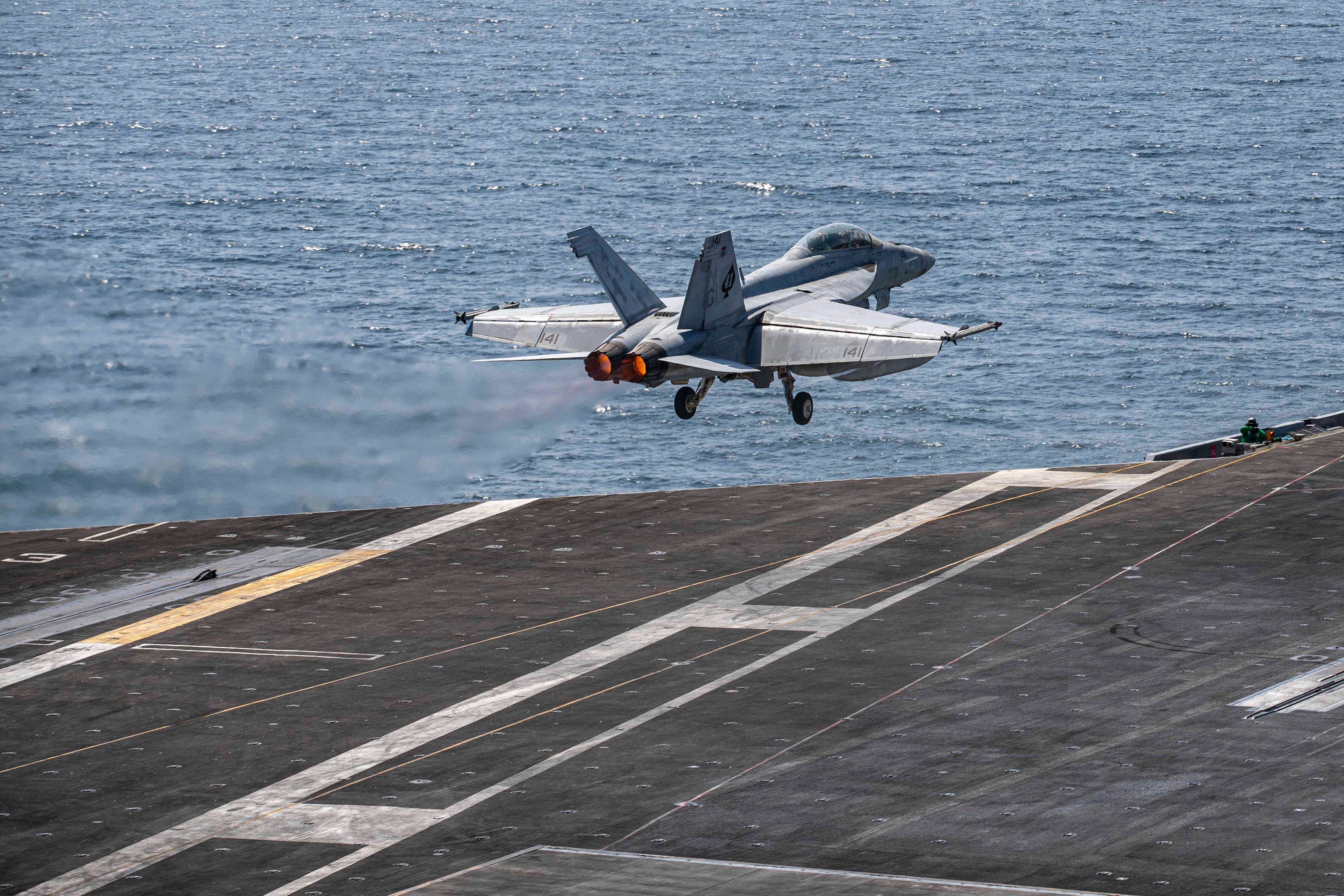
We were told that intense negotiations with Iran occurred to avoid military action and that diplomacy was the preferred method. But now with this conflict (dubbed Operation Epic Fury) underway, we should not lose sight of the following:
1. The Iranian regime hardly elicits any sympathy. They operate in the absence of any democratic legitimacy, and they fail to accord any respect to the rights of the Iranian people, as evidenced by the most recent violent crackdown of protestors.
2. The U.S. Constitution is clear on the decision-making for war. It is not for the President to decide unilaterally, but it is for Congress to "declare War." And to date, Congress - the institution that ought to represent the will of the people - has not debated the propriety of armed conflict with Iran.
3. The President's remarks invoke the idea that the United States acted in self-defense. Yes, armed conflict may be justified to prevent an imminent threat to the national security of the United States. But the President, so far, has not laid out a persuasive case, backed with evidence, on the necessity to do so now.
4. The United Nations Charter, a document that the United States ratified in 1945, requires -- outside of self-defense -- authorization from the UN Security Council for armed conflict "as may be necessary to maintain or restore international peace and security." This has not happened.
5. The means on how we as a country decide to use military force matters. And so does the law. As I mentioned previously in response to the military operation in Venezuela, "when it comes to war and peace, the means matters. In fact, it’s the means that can actually avoid war and keep the peace."
With the safety of countless civilians and our service members in mind, I'll end by echoing my past observation, that "the United States is now operating with the power of might, rather than the power of right.
And I do not know what comes next for our Nation."